
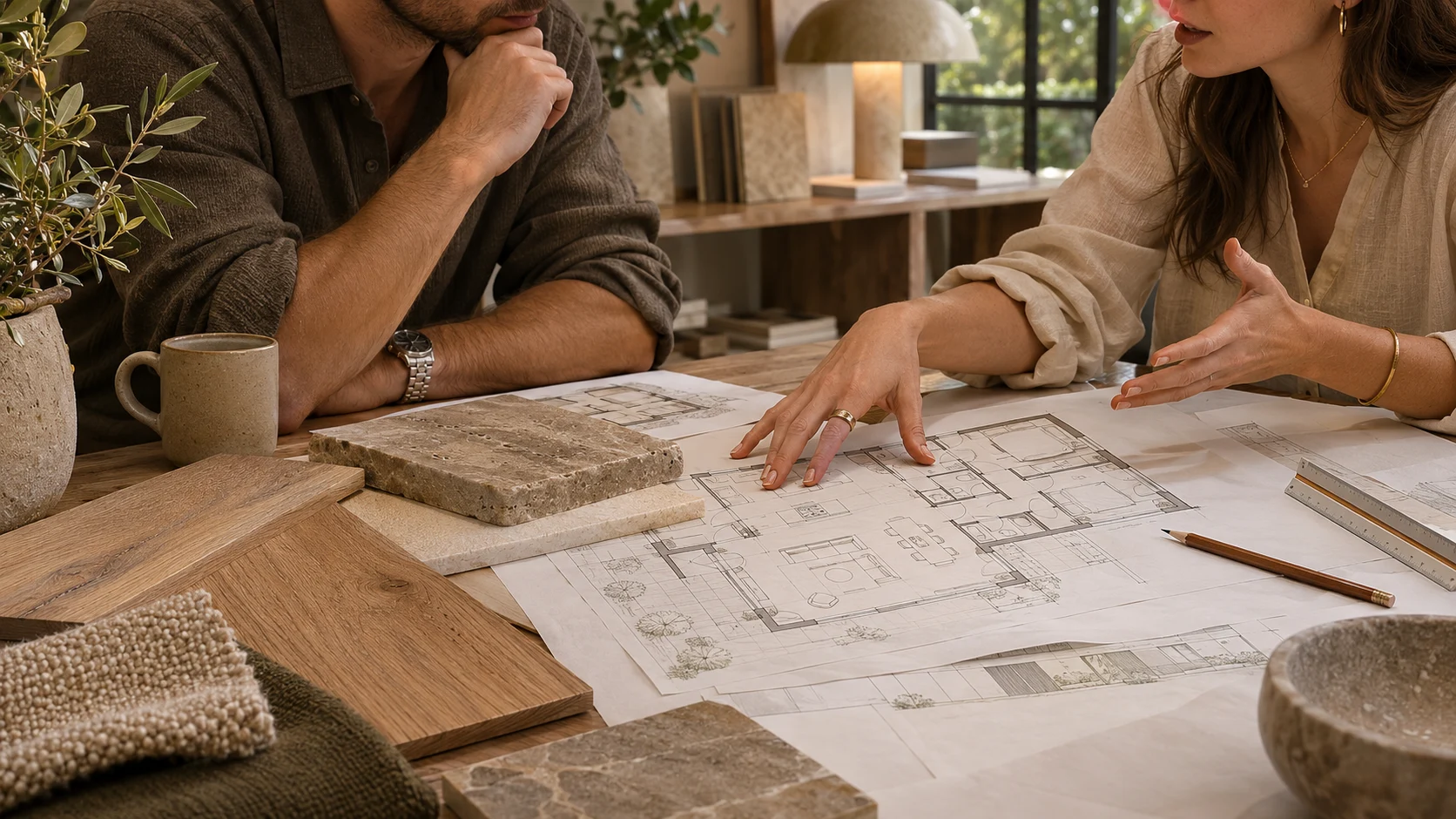
A good brief is not a finished design. It is a thoughtful description of the life you want your home to support, the information you have, and the questions you still need to answer.
01
Start With Daily Life
Describe the routines your home needs to support. Think about mornings, shared meals, working from home, guests, quiet time, and storage. Specific examples are more useful than broad labels such as open-plan or modern.
02
Separate Priorities From Possibilities
Make a short list of the things that matter most, then a second list of features you would like to explore. That distinction helps the project team compare options when space, budget, or site conditions require choices.
03
Gather The Information You Have
Existing plans, surveys, photographs, and property information can provide a useful starting point. Do not assume older documents are accurate or complete. The project team may recommend updated measurements or specialist investigations.
04
Collect Inspiration With A Reason
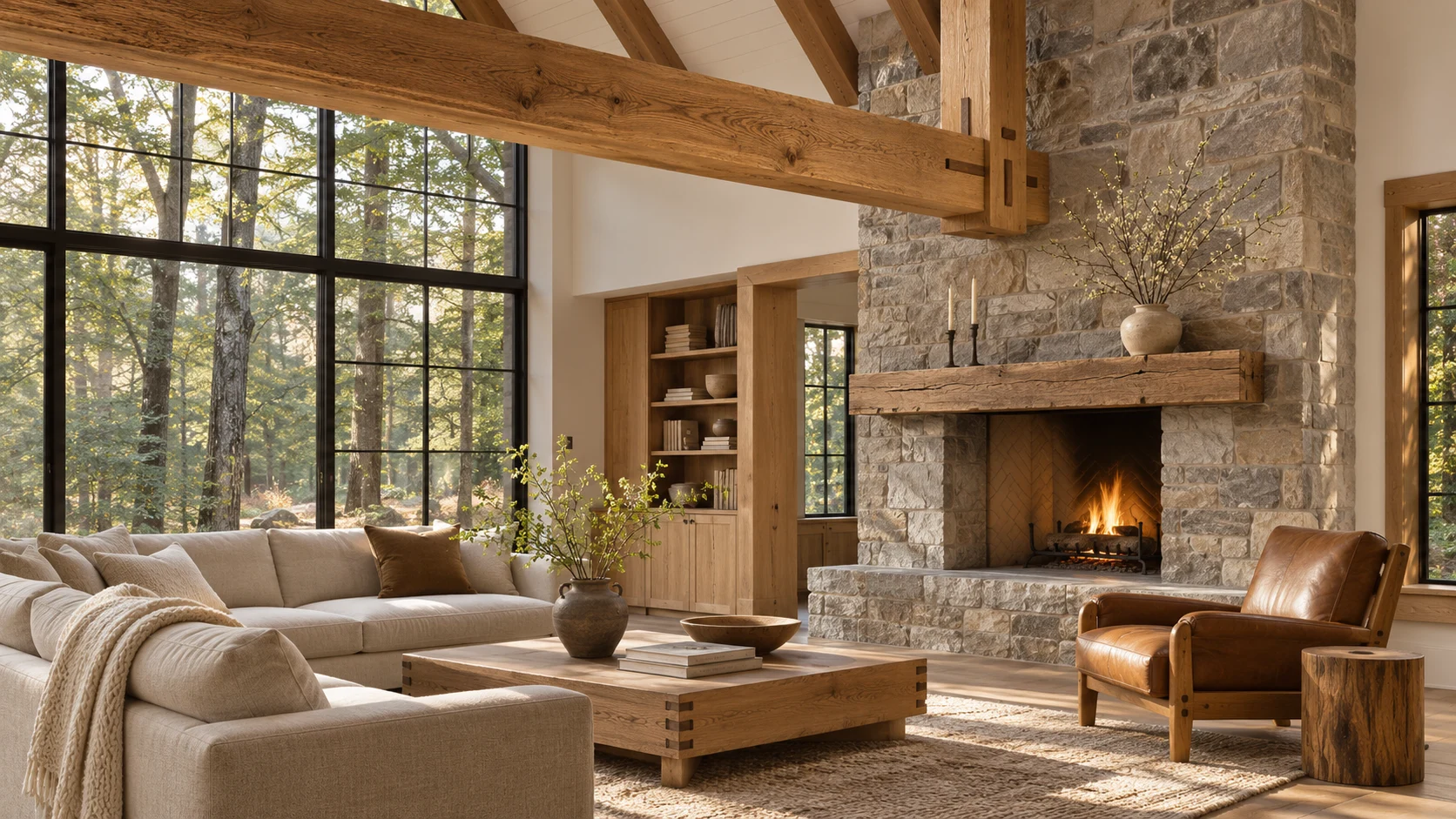
Save a few images, but note what you like about each one. It may be the light, a material, a sense of openness, or a storage detail rather than the entire room. A small, explained collection is often more helpful than a large folder of unrelated images.
05
Talk Openly About Investment
Discuss an investment range and what it needs to cover. Design, consultant work, approvals, site work, construction, furnishings, and contingency may not all be included in the same estimate. Clear assumptions support more useful comparisons.
06
Consider The Decisions Ahead
Materials, appliances, fixtures, and details will need to be selected at different stages. Ask how decisions are recorded, when they are needed, and how changes affect the work. A shared decision schedule can prevent avoidable pressure.
07
Agree On The Next Step
The first conversation should lead to a clear next action, not an assumed commitment to build. That may be a site review, a defined planning stage, further investigation, or specialist advice. Confirm the scope and responsibilities before proceeding.